Do Festivals Really Need RFID Wristbands? Pros, Cons, and When It Makes Sense
RFID wristbands are becoming more common across festivals, concerts, and large scale events, but they are not always the right solution for every organizer. While RFID can improve entry speed, reduce credential sharing, and support operational data tracking, it also adds cost, planning requirements, and technical complexity.
Many organizers assume RFID is automatically the best option, when in reality the decision depends on event size, access structure, staffing, and budget.
Festival organizers do not always need RFID wristbands. RFID works best for large, multi day events with multiple access zones or high traffic entry points. Smaller festivals often achieve the same results using well designed visual wristbands or badges. The right choice depends on operational complexity, not trends.
What RFID Wristbands Actually Do at Festivals
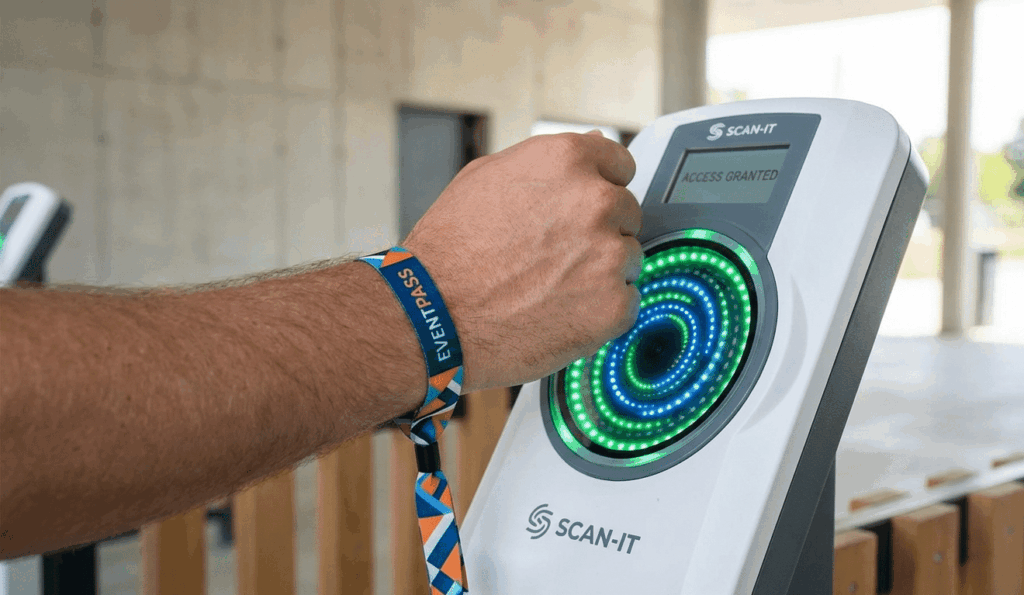
RFID wristbands contain embedded chips that communicate with scanners or access control systems. Instead of relying only on visual inspection, security staff can scan credentials quickly to verify access.
At festivals, RFID wristbands are commonly used for:
- Entry and re entry control across multiple gates
- Managing access to restricted zones such as backstage or production areas
- Attendance tracking and operational analytics
- Integrating with mobile apps or cashless systems
RFID does not replace good credential design. It adds another layer of verification when events become too complex for visual checks alone.
RFID Wristbands vs Traditional Festival Credentials
One of the biggest decisions organizers face is whether RFID technology provides real operational value compared to standard wristbands or badges.
Speed at Entry Points
RFID scanning can reduce bottlenecks during peak arrival windows, especially at festivals with multiple gates or heavy surges. For smaller events with steady flow, clear visual wristbands can be just as effective.
Setup and Staffing Requirements
RFID requires scanners, planning, and trained staff. Traditional credentials rely more on strong visual design and consistent security workflows.
Cost Considerations
RFID credentials generally involve higher production costs due to embedded technology. Fabric wristbands or laminated badges offer a lower cost option while still providing effective access control.
Operational Flexibility
Visual credentials allow faster last minute adjustments without system updates. RFID provides stronger tracking but requires more pre-event coordination.
Many professional festivals use a hybrid system rather than choosing one approach exclusively.
The Benefits of RFID Wristbands for Festivals
Faster Entry at Peak Times
Large festivals with multiple entry gates often experience heavy arrival surges. RFID scanning helps security teams verify access quickly without slowing down lines.
Reduced Pass Sharing
Each RFID credential is uniquely encoded, making it significantly harder for attendees to share or duplicate access.
Operational Data for Event Teams
Scan data can help organizers understand arrival patterns, staffing efficiency, and attendee movement between zones.
The Downsides Festival Organizers Should Consider
RFID is not automatically the right choice for every festival.
Common challenges include:
- Higher production and technology costs
- Hardware setup and system planning
- Training staff to use scanners efficiently
- Added complexity for smaller or single day events
For many organizers, strong visual credentials remain the most practical solution.
When RFID Wristbands Make Sense
RFID wristbands are typically most effective when events reach a certain scale or complexity.
Examples include:
- Large attendance festivals with multiple entry gates
- Multi day events that allow re entry across several days
- High value VIP, artist, or production zones requiring strict access control
- Festivals integrating mobile apps or digital experiences
- Events that need measurable data on attendance patterns
In these environments, scanning reduces human error and helps security teams maintain consistent control.
When Standard Wristbands or Badges Are Enough
Traditional credentials continue to work extremely well for many festivals.
They are often the best choice for:
- Small to mid size festivals
- Single day events with limited re entry
- Events with fewer restricted zones
- Budget conscious productions
Fabric wristbands, clearly labeled passes, and laminated badges remain reliable tools when paired with strong color coding and role based design.
Hybrid Credential Strategies Used by Professional Festivals
Many experienced organizers combine RFID with traditional credentials.
Common hybrid approaches include:
- RFID wristbands for VIP, staff, or restricted areas
- Visual wristbands for general admission
- Laminated badges for production teams and media
Hybrid systems help control costs while still adding technology where it delivers the most value.
Operational Factors Festival Organizers Should Evaluate
Before choosing RFID, organizers should consider how credentials will be used in real event conditions.
Questions to evaluate:
- How many entry gates will operate at peak times
- Whether re entry is allowed and how often attendees leave
- The number of access zones beyond general admission
- Whether security relies on quick visual checks or scanning
- How staff and vendor credentials will be distributed
These operational details matter more than technology trends.
Quick Decision Guide for Festival Organizers
- Choose RFID when your festival has multiple gates or complex access zones
- Use visual wristbands when entry flow is manageable and roles are clearly defined
- Consider hybrid credential systems when only certain areas require scanning
- Focus on clear design and operational planning before adding technology
Festival organizers often choose RFID when entry speed and access control become difficult to manage visually. For smaller events, well designed wristbands and badges usually provide enough security without added technology. Hybrid credential systems are increasingly common because they balance cost and control.
FAQ About RFID Wristbands for Festivals
Do small festivals really need RFID wristbands
Not always. Smaller events with controlled entry points and strong visual credentials often operate successfully without RFID technology.
Are RFID wristbands more secure than standard wristbands
RFID reduces pass sharing because each credential is uniquely encoded, but effective visual design and role based access can still provide strong security.
Are RFID wristbands required for VIP or backstage access
No. Many festivals use laminated badges or clearly labeled credentials for restricted areas. RFID becomes more valuable when access zones are large or heavily trafficked.
Are RFID wristbands worth the cost
RFID delivers the most value when events are large, multi day, or data driven. For smaller festivals, traditional credentials may offer better cost efficiency.
Final Takeaway for Festival Organizers
RFID wristbands are a powerful tool, but they are not required for every festival. The best credential strategy depends on event size, access structure, and operational goals.
For some organizers, RFID provides speed, control, and valuable data. For others, well designed visual credentials deliver everything needed without added complexity.
The most successful festivals choose credential systems based on real workflows instead of industry trends.
About Arnett Credentials
Established in 2003, Arnett Credentials has had the pleasure of working with amazing clients on all kinds of events. From large, multi-day festivals to touring concerts, we’ve seen and done it all and are ready to be your right hand for your event’s credentials. To learn more or request a quote, contact us at 949.670.2021 or [email protected].
Related Posts